In this article
- 1.Why Calorie Awareness Feels Overwhelming at First
- 2.Key Stats / Useful Data Points
- 3.What Calorie Awareness Actually Means
- 4.What a Calorie Deficit Means Without the Drama
- 5.Why Treats Can Still Fit
- 6.Why Going Too Extreme Usually Backfires
- 7.A Gentle Way to Start Tracking Food
- 8.Practical Takeaway: Track to Learn, Then Loosen the Grip
- 9.How to Track Without Turning It Into Pressure
- 10.Where Emorya Fits
- 11.Common Mistakes With Calorie Awareness
- 12.Related Next Steps
- 13.Useful Sources
- 14.FAQs
- 15.Conclusion
Key takeaway
Calorie awareness should create clarity, not pressure.
A calorie deficit can include treats, flexible meals, and ordinary life when the wider pattern still supports the goal. The useful first step is seeing the routine clearly enough to make one repeatable adjustment.
First goal
Tracking works best when it helps users understand their normal pattern before cutting hard.
Treats can fit
A planned treat is part of the pattern, not automatic failure.
Average matters
Calorie balance is best understood across time, not as one perfect meal or day.
Lower friction
Food scanning can make intake visible without turning every meal into manual admin.
Related next steps
Useful follow-ons if you want to connect calorie awareness, food scanning, and consistency.
Why Calorie Awareness Feels Overwhelming at First
Nutrition gets complicated quickly.
Calories, protein, macros, meal timing, sugar, fibre, fasting windows, supplements, cooking oils, portion sizes, body goals, training goals, restaurant meals, snacks, and social plans all compete for attention. For a beginner, it can feel like every food choice suddenly needs a spreadsheet and a moral explanation.
That is usually where people go too hard too fast.
They cut everything at once. They remove foods they enjoy. They set a target that only works on a perfect day. Then real life arrives: a birthday meal, a stressful afternoon, a takeaway, a missed workout, a late snack. The plan breaks, and the person decides they failed.
The calm side of calorie awareness is understanding that food tracking should create visibility, not fear.
Calories matter because they describe energy. They do not describe character. A calorie number can help explain why a routine is working, stalling, or drifting, but it should not turn eating into a punishment system.
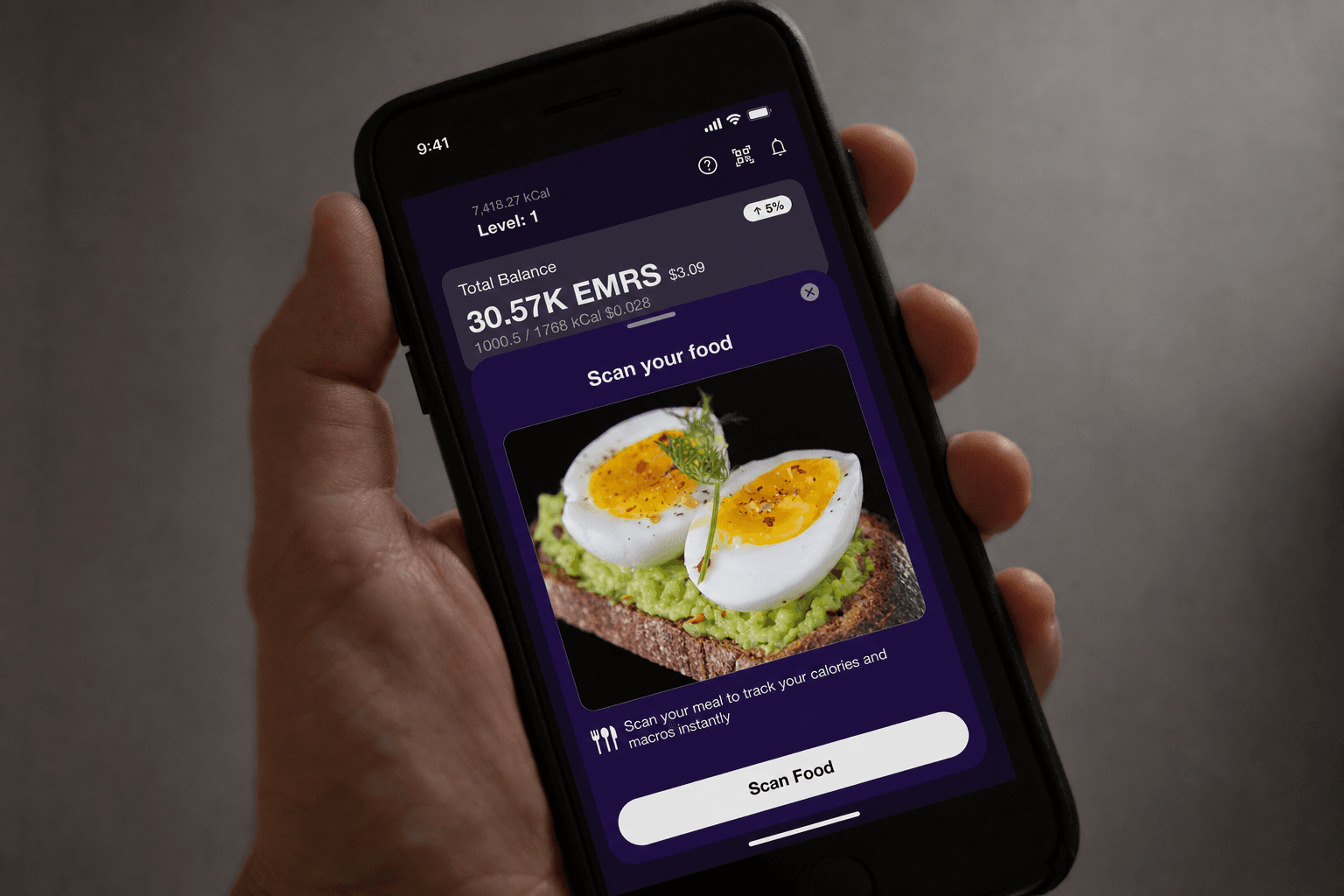
This is where Emorya's calorie management philosophy fits. The app is designed to make food intake, calorie burn, movement, and progress easier to see together. The food scanner can reduce the friction of logging, but the deeper goal is calmer: help users understand the pattern without making every meal feel like a crisis.
Key Stats / Useful Data Points
- The NHS calorie guidance defines calories as units of energy and explains that a calorie deficit means using more energy than you take in.
- The NHS also notes that calorie counting does not need to be permanent; it can help people understand normal portions and eating patterns.
- The CDC weight management guidance says healthy weight management is supported by nutrition, regular physical activity, enough sleep, and stress management.
- NIDDK behaviour-change guidance frames habit change as a process with setbacks, planning, adjustment, and maintenance rather than a one-time reset.
What Calorie Awareness Actually Means
Calorie awareness means understanding how much energy your normal food and drink pattern contains.
It does not mean every meal must be weighed forever. It does not mean you need to become obsessive. It does not mean you need to stop eating foods you enjoy. It means you have enough information to stop guessing.
For example, calorie awareness can help you notice that:
- a small snack is more energy-dense than expected
- cooking oil, sauces, drinks, and toppings add up quietly
- weekend meals are changing the weekly pattern
- skipped meals make evening snacking harder
- movement and calorie burn do not always offset intake as much as people assume
- one treat is not the problem, but repeated unplanned extras may be
Calorie awareness is pattern recognition, not food judgement.
That distinction matters. A person who understands their pattern can make one small adjustment. A person who feels judged by their tracker is more likely to avoid the tracker altogether.
What a Calorie Deficit Means Without the Drama
A calorie deficit means your average energy intake is lower than your average energy use over time.
That is the basic energy-balance idea behind weight loss. The NHS explains it plainly: if we regularly consume more energy than the body needs, the extra energy can be stored; to lose weight, energy use needs to exceed energy intake over time.
But the important word is "average."
A calorie deficit does not require every meal, every day, or every social moment to be perfect. It depends on the pattern across time. One higher-calorie meal does not erase a week. One treat does not mean the day is ruined. One lower-activity day does not make the routine pointless.
This is why strict diets often feel easier to start than to live with. They remove uncertainty for a few days, but they also remove flexibility. A calmer deficit gives the person a way to keep going when life becomes normal again.
That might mean a planned dessert, a meal out, or a favourite snack still fits because the rest of the day or week has enough room for it. This is not a loophole. It is sustainability.
The best calorie deficit is the one repeatable enough to survive real life.
Why Treats Can Still Fit
People often think calorie tracking means treats are banned. That is one of the fastest ways to turn calorie awareness into pressure.
In practice, a treat is just part of the total pattern. It may be energy-dense. It may need awareness. But it does not automatically break the routine.
The difference is whether the treat is intentional or automatic.
An intentional treat has a place. You know it is there. You enjoy it. You do not pretend it did not happen, and you do not punish yourself afterwards.
An automatic treat often appears when the day has no structure: stress, skipped meals, tiredness, boredom, poor sleep, or a long gap between meals. That is not a character flaw. It is a routine signal.
Flexible calorie tracking lets people include foods they enjoy without pretending those foods have no effect.
That is the calmer middle ground. You do not need to label food as good or bad. You need to understand how it fits.
Why Going Too Extreme Usually Backfires
Extreme plans feel decisive. That is why they are tempting.
They promise clarity: no this, no that, only these foods, no treats, no exceptions. For a short time, that can feel powerful. But a plan that only works when everything is controlled is fragile.
The CDC notes that healthy weight management is not only about food. Sleep, stress, physical activity, medical conditions, medications, environment, and routine all matter. That is a useful warning against treating a strict food plan as the whole answer.
NIDDK's habit-change guidance makes the same point from a behaviour angle: setbacks happen, and the useful skill is getting back on track rather than treating one disruption as failure.
Going too extreme too quickly often creates a plan that is impressive on paper and difficult to repeat.
For many beginners, a better first step is smaller:
- track a few normal days without changing anything
- notice liquid calories, snacks, oils, sauces, and portions
- make one adjustment at a time
- keep protein, fibre, movement, sleep, and stress in the picture
- build a pattern that leaves room for ordinary life
Small is not weak. Small is often what survives.
A Gentle Way to Start Tracking Food
The first week of calorie awareness should not feel like a courtroom.
A gentler approach is to gather information before making aggressive changes. Track what you normally eat for a few days. Include drinks, snacks, sauces, oils, and second servings. Do not use the numbers to shame yourself. Use them to understand what is actually happening.
Then ask one practical question:
What is the smallest change that would make the pattern easier to manage?
That might be:
- planning a more filling lunch
- reducing high-calorie drinks
- choosing one snack intentionally instead of grazing
- scanning dinner because that is where portions drift
- walking after a meal to connect food awareness with movement
- leaving room for a treat instead of pretending treats are banned
Start by tracking for clarity, then adjust for consistency.
This is also where Emorya's food scanner can be helpful. Instead of manually searching for every meal, users can scan food, review the estimate, correct obvious misses, and connect intake with activity and calorie burn. The scanner should not be treated as perfect. It should be treated as a lower-friction way to begin seeing the pattern.
For the deeper technical view, Emorya's guide to AI food scanning and calorie deficit explains how scanning can support calorie management without pretending to be the final authority on every meal.
Practical Takeaway: Track to Learn, Then Loosen the Grip
Calorie tracking does not need to be strict forever.
For many beginners, the useful phase is temporary: track long enough to understand portions, snacks, drinks, sauces, routine gaps, and the meals that keep showing up. Once those patterns are clearer, tracking can become lighter, more flexible, or occasional.
Use calorie tracking as a learning tool first, not a permanent rulebook.
How to Track Without Turning It Into Pressure
Tracking becomes pressure when the number becomes the whole story.
That can happen when people treat a calorie target as a pass-or-fail test, when they panic over normal fluctuations, or when they use tracking to compensate for guilt. At that point, the tool has stopped supporting awareness and started creating noise.
The calmer version has boundaries.
Track enough to learn. Review enough to notice patterns. Adjust enough to improve. Then leave room for being human.
A useful calorie tracker should help you make a better next decision, not make you feel worse about the last one.
A few simple rules help:
- do not compensate aggressively after a higher-calorie meal
- do not chase perfect accuracy in every mixed dish
- do not let one day define the week
- do not use food tracking as punishment
- do not ignore anxiety, guilt, or obsessive behaviour
- do use trends, averages, and repeat patterns
This safety point matters. Calorie tracking is not right for everyone. NHS guidance advises people with medical conditions, special dietary needs, or a current or past eating disorder to speak with a healthcare professional before making weight-loss changes. NICE eating disorder guidance also encourages people who are worried about eating problems to seek support from a GP or health professional.
If tracking creates anxiety, guilt, or obsessive behaviour, the healthy move is to step back and get support.
Where Emorya Fits
Emorya can add value because calorie awareness rarely works in isolation.
Food intake is one side of the pattern. Movement, calorie burn, sleep, stress, routine, body progress, and consistency are part of the same picture. When these signals are scattered across different places, it is easy to misread the day.
Emorya brings food scanning and calorie management into a wider wellness experience. Users can make intake more visible, compare it with activity, understand calorie balance, and see progress signals without needing to turn nutrition into a strict diet system.
Rewards sit underneath that experience as encouragement. They should support consistency, not make food or movement feel like a transaction. The goal is not to make someone chase points while ignoring their body. The goal is to help healthy actions feel easier to see and easier to repeat.
Emorya's food scanner and calorie management system are most useful when they make awareness simpler, calmer, and easier to return to.
That is the product story here: not pressure, not perfection, and not a rigid diet. Just a clearer picture of what is happening, so the user can make better choices without feeling overwhelmed.
Common Mistakes With Calorie Awareness
The first mistake is trying to change everything at once.
You do not need to overhaul breakfast, lunch, dinner, snacks, drinks, training, sleep, and weekends in the same week. That creates too many points of failure. Start with the biggest repeat pattern and improve that first.
The second mistake is treating treats as failure. A treat can fit. What matters is whether it is planned, understood, and part of a pattern that still supports your goal.
The third mistake is using tracking only after things feel out of control. Tracking is more useful before the pattern becomes stressful, because it gives you earlier feedback.
The fourth mistake is forgetting that food is not the only lever. Activity, walking, strength work, stress, and sleep all affect the routine. If movement is part of your next step, read Active Minutes vs Steps: Which Should You Track First? or How Many Steps a Day Do You Actually Need?.
The point is not to become stricter. The point is to become clearer.
Related Next Steps
If you want to understand the scanner side, read AI Food Scanning and Calorie Deficit
If you want the broader eating-rhythm view, read Is What You're Putting Inside Helping the Outside?
If motivation and feedback are the bigger question, read How Gamification Helps People Stay Consistent
If you want to connect food awareness with movement, read Active Minutes vs Steps: Which Should You Track First?
Useful Sources
- NHS: Calories and weight loss
- NHS: Healthy eating when trying to lose weight
- CDC: Steps for losing weight
- NIDDK: Eating and physical activity to lose or maintain weight
- NIDDK: Changing your habits for better health
- NICE: Getting help for an eating disorder
Common questions
Frequently asked questions
Short, practical answers for readers who want the direct version.
01Can you track calories without dieting strictly?
Yes. Calorie tracking can be used as awareness rather than a strict diet. The goal is to understand your normal food pattern, portions, drinks, snacks, and routine so you can make smaller changes that are easier to repeat.
02Can treats fit into a calorie deficit?
Yes, treats can fit into a calorie deficit if the wider pattern still supports your goal. A treat does not automatically ruin progress. What matters is whether it is intentional, understood, and balanced within the overall day or week.
03Is calorie awareness the same as counting every calorie forever?
No. Calorie awareness can be temporary or flexible. Some people track closely for a short period to understand portions and patterns, then use that knowledge without logging every meal.
04What is the safest way for beginners to start calorie tracking?
The safest beginner approach is to track a few normal days first, without immediately cutting hard. Then look for one or two repeat patterns that can be improved. Extreme changes are harder to maintain and can create unnecessary pressure.
05How can Emorya help with calorie awareness?
Emorya can help by making calorie intake easier to log through food scanning, connecting intake with activity and calorie burn, and showing progress signals inside the same wellness experience. The goal is awareness and consistency, not a strict diet prescription.
06Is calorie tracking right for everyone?
No. Calorie tracking is not right for everyone. People with medical conditions, specific dietary needs, or a current or past eating disorder should seek qualified guidance. If tracking creates anxiety, guilt, or obsessive behaviour, it is better to step back.
Conclusion
Calorie awareness does not need to be harsh.
It can be a gentle first step into nutrition management: a way to see what is happening, understand portions, notice treats, connect food with movement, and build a calorie deficit without making life feel smaller.
For beginners, that matters. The plan that looks strictest is rarely the one that lasts. The better plan is the one that gives enough structure to create progress and enough flexibility to keep going.
Food tracking works best when it gives the user clarity without taking away calm.
If you want to keep building the routine, start with AI Food Scanning and Calorie Deficit, or read How Gamification Helps People Stay Consistent to understand how progress signals can support behaviour without turning health into pressure.
Learn how Emorya makes everyday movement more rewarding, without turning it into another noisy fitness app.