In this article
- 1.Why Habit Stacking Works for Beginners
- 2.Key Stats / Useful Data Points
- 3.Start With Cues, Not Motivation
- 4.Did You Know? The Cue Is Often More Important Than the Size of the Action
- 5.A Simple Walking Stack
- 6.Add a Meal-Awareness Stack
- 7.Evidence Snapshot: Small Repeated Actions Are the Point
- 8.Build Movement Breaks Into the Day
- 9.Myth vs Reality: Habit Stacking Is Not About Doing Everything at Once
- 10.A Practical Starter Plan
- 11.Common Mistakes That Make Habit Stacking Harder
- 12.Try This Today: Build One Stack You Can Repeat Tomorrow
- 13.Where Emorya Fits
- 14.Emorya Note: Reward the Return, Not Just the Perfect Day
- 15.Related Next Steps
- 16.Useful Sources
- 17.FAQs
- 18.Conclusion
Key takeaway
Habit stacking works because it connects a small health action to a routine that already exists
For beginners, the best starter plan is simple: one walking cue, one meal-awareness cue, one movement-break cue, and one visible progress signal.
Core topic
Habit stacking makes healthy routines easier by attaching small actions to moments that already happen: walking after coffee, scanning lunch, stretching after work, or taking a movement break between tasks.
Reader-first
The article is designed to answer the question clearly before adding product context.
No hype
Claims stay grounded in everyday behaviour, not exaggerated transformation promises.
Actionable follow-on
Related reads help connect the idea to a wider routine.
Related next steps
Useful follow-ons if you want to turn the idea into action.
Why Habit Stacking Works for Beginners
Most people do not struggle with healthy routines because they lack ambition. They struggle because the routine has nowhere stable to live.
"Walk more" sounds useful, but it is vague. "Eat better" sounds sensible, but it is too broad to act on during a normal day. "Move more often" is true, but it still leaves the person asking when, where, and how.
Habit stacking solves that problem by giving a new action a clear cue.
A habit stack turns "I should do this sometime" into "I do this after that."
That small shift matters. It reduces the number of decisions a beginner has to make. The action no longer has to win a fresh argument every day. It sits beside something that already happens.
For Emorya, this is exactly where gentle progress tracking is useful. Movement, calorie awareness, food scanning, and rewards all work better when they support routines that are simple enough to repeat.
Key Stats / Useful Data Points
- NIDDK behaviour-change guidance encourages people to identify cues, replace less useful behaviours, plan for setbacks, and build change gradually.
- WHO physical activity guidance says adults should do regular physical activity and notes that some activity is better than none.
- CDC guidance on physical activity links regular movement with benefits for health, mood, sleep, and everyday function.
- NIDDK calorie-balance guidance frames weight management around food intake, physical activity, sleep, stress, and sustainable behaviour change rather than one isolated tactic.
Start With Cues, Not Motivation
Motivation is useful when it appears. It is just not reliable enough to be the foundation.
A cue is more practical. It gives the action a natural trigger. Morning coffee. Brushing your teeth. Lunch. Finishing work. Ending a call. Waiting for the kettle. Putting your shoes on. Closing the laptop.
The best habit stack begins with a moment that already happens almost every day.
That is why "walk for 10 minutes after lunch" is stronger than "walk more." It tells the body and brain when the action belongs. It also makes the behaviour easier to remember because the cue carries part of the load.
If walking is the easiest starting point, keep it deliberately simple. For a deeper walking base, read How to Build a Walking Habit That Actually Sticks.
Did You Know?
The Cue Is Often More Important Than the Size of the Action
Beginners often focus on how big the new habit should be. Twenty minutes? One hour? Every day? Five times per week?
That matters eventually, but the first job is more basic: make the action easy to start.
A tiny action with a reliable cue often beats an ambitious action with no clear place in the day.
For example, one lap around the block after breakfast is not a full fitness plan. But it gives movement a home. Once the cue is strong, the action can grow without needing a dramatic restart.
A Simple Walking Stack
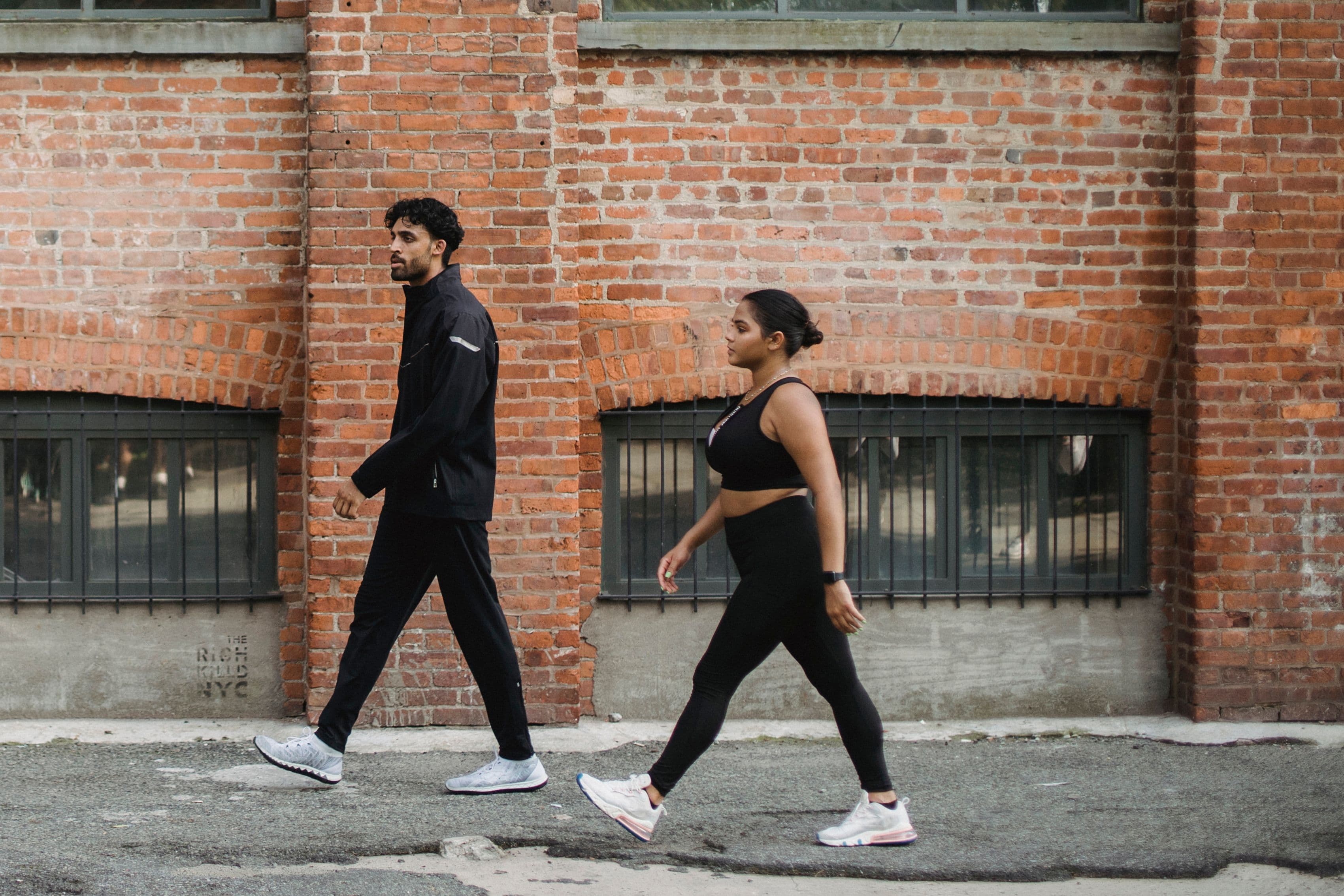
Walking is one of the best habits to stack because it does not require a full workout setup.
Try one of these:
- after morning coffee, walk for five to ten minutes
- after lunch, take one short route outside
- after work, walk before sitting down at home
- during a phone call, walk slowly instead of sitting
- after a short bus or car trip, replace part of the route with walking
Track steps first if your goal is to make daily movement easier to see. Steps give beginners a simple signal. They make small choices visible: stairs instead of the lift, walking to the shop, getting off one stop earlier, or taking a short loop after a meal.
Active minutes matter too, especially as fitness improves. But steps are often the friendliest first metric because they are easy to understand and easy to nudge upward. For the full comparison, read Active Minutes vs Steps: Which Should You Track First?.
Add a Meal-Awareness Stack
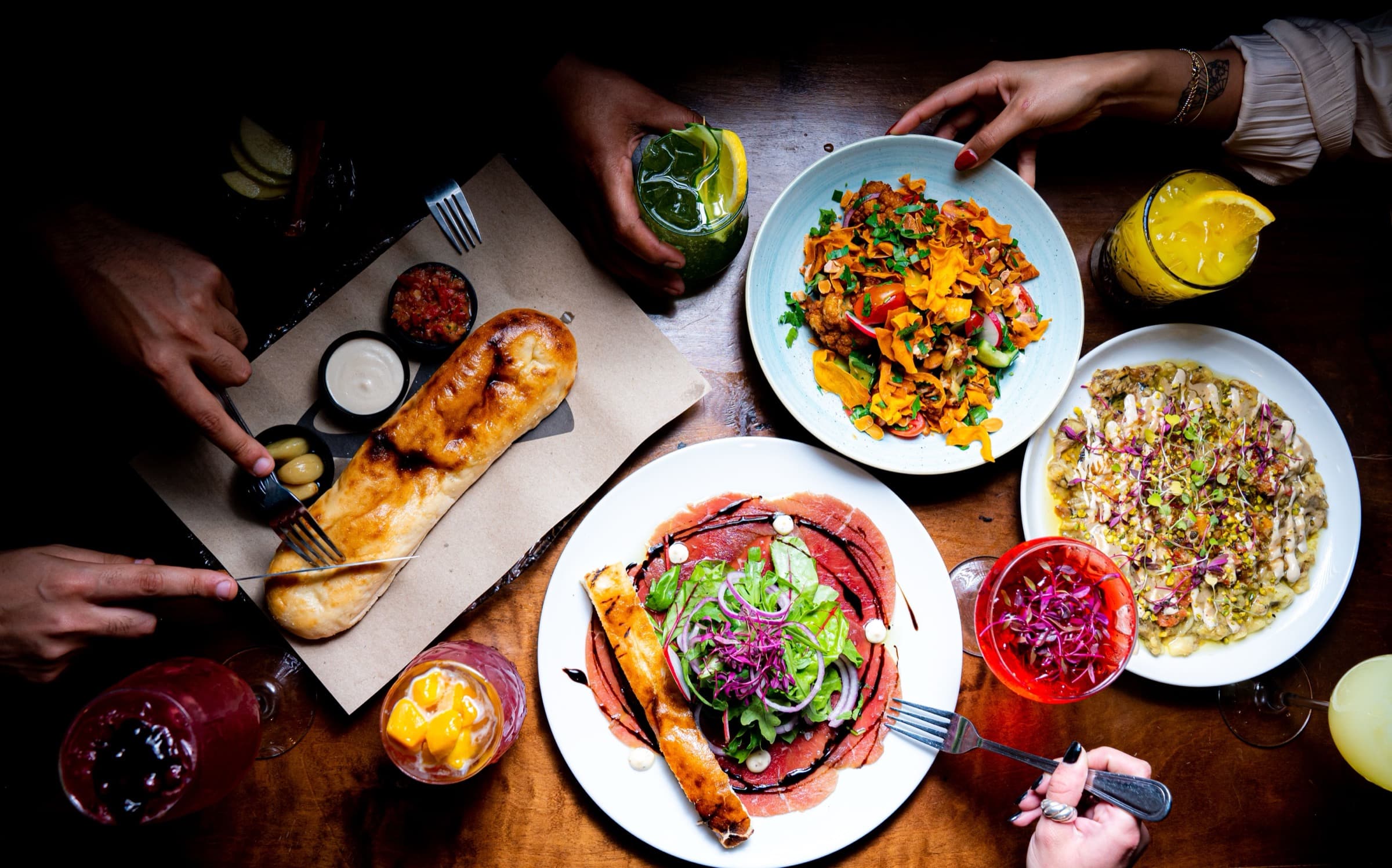
Food habits can feel more emotional than movement habits, so the stack needs to stay calm.
The goal is not to turn every meal into a strict rule. The goal is to build awareness around the moments where choices happen automatically.
Try one of these:
- before lunch, scan or log the meal
- before dinner, check how the day is trending
- after shopping, plan one easy meal for tomorrow
- after pouring a drink, notice whether it adds meaningful calories
- after an evening snack, ask whether it was hunger, habit, stress, or boredom
A meal-awareness stack should create visibility, not pressure.
Emorya's food scanner and calorie management system fit here because they can lower the friction of checking a meal. The scanner gives a starting estimate. The user reviews it, adjusts if needed, and starts to understand the wider pattern.
For the calmer food-tracking angle, read The Calm Side of Calorie Awareness. For the deeper scanner and deficit explanation, read AI Food Scanning and Calorie Deficit.
Evidence Snapshot
Small Repeated Actions Are the Point
Behaviour-change research generally supports the idea that cues, self-monitoring, feedback, planning, and gradual adjustment can help people build healthier routines. Public-health guidance takes a similar line: start where you are, reduce friction, and increase activity over time.
The evidence does not say one tiny habit changes everything. It says repeatable systems matter because they make healthier behaviour easier to return to.
That is the real value of habit stacking. It is not magic. It is structure.
Build Movement Breaks Into the Day
Not every movement stack needs to be a workout.
For people who sit for long periods, short movement breaks can be a useful way to reduce the feeling that exercise only counts when it is formal. Stand up after a meeting. Walk while the kettle boils. Do a short stretch after closing your laptop. Take the stairs when the lift is not necessary.
Movement breaks work best when they are tied to transitions the day already gives you.
That makes them easier to remember. It also keeps the habit from becoming another calendar item.
Good starter stacks include:
- after every long call, stand up and walk for two minutes
- after sending a difficult email, take a short reset walk
- after brushing your teeth at night, stretch briefly
- after lunch, take the stairs once
- after unlocking your phone in the afternoon, check whether you have moved recently
These are small actions, but small actions repeated often are not trivial. They build a pattern.
Myth vs Reality
Habit Stacking Is Not About Doing Everything at Once
The myth is that habit stacking means building a long chain of healthy actions.
The reality is simpler. One strong stack is better than seven fragile ones.
Habit stacking should make the day lighter, not turn a normal routine into a checklist nobody can maintain.
If the system starts to feel heavy, shrink it. Keep the cue. Reduce the action. Make the habit easy to restart.
A Practical Starter Plan
Start with three stacks. No more.
Stack 1: Walking
Choose one daily cue and one minimum walk.
Example: after lunch, walk for 10 minutes. On difficult days, walk for three minutes. Both count.
Stack 2: Meals
Choose one meal-awareness cue.
Example: before dinner, scan or log the meal and check the day's calorie pattern. The aim is awareness, not judgement.
Stack 3: Movement Breaks
Choose one transition cue.
Example: after the last work call, stand up, stretch, and walk around for two minutes.
A good starter plan has one cue, one small action, and one way to count the action without turning it into pressure.
Once those three stacks feel normal, then you can expand. Add duration. Add a second walking route. Add a weekly active-minutes target. Add a more detailed food check. But do not build the future version of the routine before the current version exists.
Common Mistakes That Make Habit Stacking Harder
The first mistake is choosing a cue that does not happen consistently. "After I feel motivated" is not a cue. "After breakfast" is.
The second is making the action too large. A 45-minute walk might be useful, but it is a poor starter habit if it collapses every busy week.
The third is stacking habits around guilt. "After I eat something bad, I must walk" is a pressure loop. A calmer version is better: "After dinner, I take a short walk when I can."
The habit should be attached to a neutral cue, not to punishment.
That matters for food, movement, and rewards. If the system starts to feel like a penalty, it becomes harder to keep using.
Try This Today
Build One Stack You Can Repeat Tomorrow
Pick one cue that will happen in the next 24 hours.
Then attach one small action:
- after coffee, walk for five minutes
- before lunch, scan the meal
- after work, change shoes and step outside
- after a long call, stand up and move
- after dinner, check your step count once
If the habit is too easy to ignore, make the cue clearer. If it is too hard to repeat, make the action smaller.
That is the whole adjustment loop.
Where Emorya Fits
Emorya is useful in habit stacking because it gives small actions a visible place to land.
Steps, activity, calorie intake, food scans, calories burned, progress signals, and rewards can all support the same basic idea: healthy behaviour becomes easier to repeat when it is easier to notice.
Emorya should make the next healthy action clearer, not make wellness feel more complicated.
That is why the app-first layer matters. A beginner should not need to understand advanced fitness programming, nutrition theory, or crypto mechanics to start. They should be able to open the app, see the signal, take the next action, and return tomorrow.
Rewards can support that return. But the reward is not the point. The routine is.
Emorya Note
Reward the Return, Not Just the Perfect Day
The most useful habit system does not only celebrate the biggest days. It also makes ordinary return visible.
Walking after a missed day matters. Scanning a meal after a messy weekend matters. Taking a short movement break during a busy week matters.
A good progress loop should make consistency feel recoverable.
That is the role rewards should play in a wellness app: gentle reinforcement around repeatable behaviour, not pressure, income framing, or perfection.
Related Next Steps
For the walking side, read How to Build a Walking Habit That Actually Sticks.
For a simple movement metric, read Active Minutes vs Steps: Which Should You Track First?.
For food tracking without pressure, read The Calm Side of Calorie Awareness.
For the reward layer, read Rewards Are Not the Goal.
Useful Sources
- NIDDK: Changing your habits for better health
- WHO: Physical activity fact sheet
- CDC: Benefits of physical activity
- NIDDK: Weight management treatment and lifestyle change
- British Journal of Sports Medicine: Apps and activity trackers for physical activity
Common questions
Frequently asked questions
Short, practical answers for readers who want the direct version.
01What is habit stacking?
Habit stacking means attaching a new action to a routine that already happens. For example, walking after coffee, scanning lunch before eating, or stretching after work.
02Is habit stacking good for beginners?
Yes. Habit stacking is useful for beginners because it makes healthy actions easier to remember and repeat. The key is to start with small actions, not a long chain.
03What is a good habit stack for walking?
A good walking stack is simple: after lunch, walk for 10 minutes; after work, walk before sitting down; or during a phone call, walk slowly instead of staying seated.
04Can habit stacking help with calorie awareness?
Yes, if it stays calm. Scanning or logging one regular meal can help you understand portions, snacks, drinks, and patterns without turning food tracking into pressure.
05Should I track steps, calories, or active minutes first?
For many beginners, steps are the simplest movement metric to start with. Calories are useful for food awareness, and active minutes become more helpful when you want to track exercise intensity.
06How many habits should I stack at once?
Start with one to three. Too many new stacks can make the routine feel heavy before it becomes reliable.
07How does Emorya support habit stacking?
Emorya supports habit stacking by making movement, calorie awareness, food scans, progress signals, and rewards easier to see in one app-first experience.
Conclusion
Habit stacking is powerful because it respects real life. It does not ask beginners to become different people overnight. It asks them to use moments they already have.
Start with one cue. Add one small action. Make progress visible. Return after imperfect days.
The best habit stack is the one that makes healthy behaviour easier to repeat tomorrow.
Learn how Emorya makes everyday movement more rewarding, without turning it into another noisy fitness app.